PERFORMANCE, BOTTLED

Wincing, not from the effort but from a taste that often needs some getting used to.
When the low-hanging fruits have been picked, performance turns to greens.
An Ergogenic Gold Rush
Training programs periodized to the minute. Carb-loading protocols dialed to the last jelly bean. Aerospace-grade materials. The foundational levers of sports performance are largely optimized.
The margins left to exploit are vanishing. When macros are solved, the micro become the battleground for the latest in performance unlocks: concentrated plant extracts.
This new class of ergogenics–energy, strength or endurance enhancing aids–is well-suited to satisfy the performance nutrition industry’s short trend cycles.
Yet their mode of action may inherently limit their scalability.
Performance by the Milliliter
Today’s leading ergogenic aids reflect where performance nutrition now stands: evidence-backed compounds promising cellular resilience, oxygen efficiency, and metabolic buffering–potent, yet highly context-dependent.
Nitrate-rich beetroot works by increasing nitric oxide availability, promoting vasodilation, blood flow to muscle and marginally lowering the oxygen cost of efforts near lactate threshold.
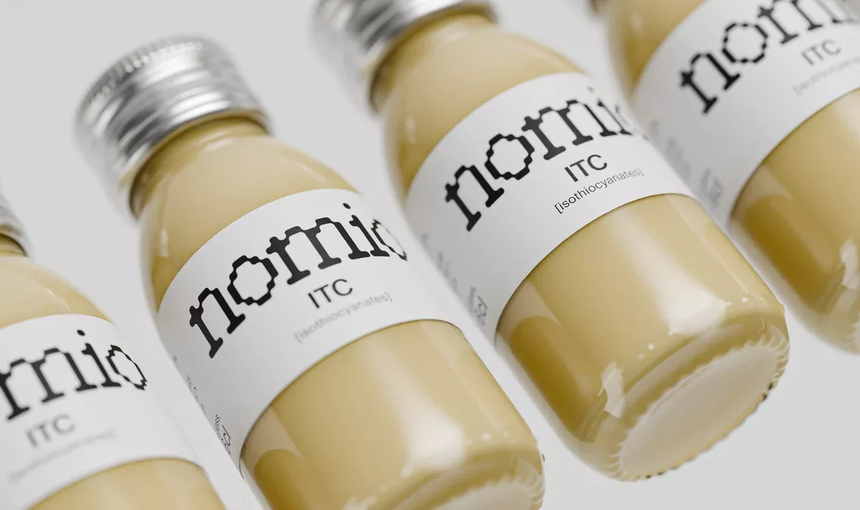
Broccoli sprouts, rich in isothiocyanates (ITCs), act as cellular primers activating Nrf2 pathways involved in antioxidant defense and metabolic stress handling. Operating in a neighboring lane, tart cherry polyphenols modulate inflammation and oxidative responses, counteract muscular micro-tears & DOMS and accelerate recovery.
Beta-alanine and sodium bicarbonate (or baking powder) target yet another constraint: lactate tolerance. By buffering hydrogen ions–the true responsible for that muscles burning sensation, they prolong the ability to spend time at or near high-intensity thresholds and delay exhaustion.
Cake First, Cherry Later
Scientifically sound and mechanistically defensible, the question is not if these products work, most are supported by controlled research in defined conditions and many carry IOC’s endorsement.
The more consequential question is whether these performance boosters can survive real-world constraints: context, usability, palatability, and cost.
Context first. These compounds only matter once fundamentals are optimized. No antioxidant or buffer compensates for poor sleep, insufficient fueling, mismanaged load, tactical error, or limited mental resilience. At best, ther fine-tune performance bottlenecks–providing the base is already in place.
Not for routine use. Products like broccoli sprout and tart cherry extracts or bicarbonate are not designed for daily use as they may interfere with beneficial inflammation and oxidative stress signals driving training adaptation.
Strategic deployment. Accordingly, they are best reserved around key quality training sessions or on D-day.
Cost reinforces that selectivity with some options ranging from $7 to $25 per dose. Routine use would rapidly become impractical.
Gut training required. Beetroot and bicarbonate, in particular, are associated with GI-related distress in a meaningful subset of users. As with fueling, gut training is warrented to avoid an expensive gamble on D-day.
Most relevant for elites. With the exception of nitrates–which may be more beneficial to less-trained amateurs with more to gain from improve oxygen efficiency–these products are most relevant for elite and highly committed minority operating near their performance ceiling.

Striking a Delicate Balance
The category perfectly illustrates the tension between scientific integrity and commercial ambition. To scale, brands must build trust by staying true to the evidence, while simultaneously driving broader adoption.
Protein, creatine, and electrolytes–went from niche performance tools to functional wellness staples–provide a tempting blueprint. But ergogenic extracts face a different paradox.
Their utility and generalizability are narrower. Chasing routine, universal adoption risks stretching the underlying science to a breaking point. In practice, these interventions likely apply to a smaller segment of athletes than hype suggests.
High price point, sporadic use and taste barriers inherently cap mass-market potential.
The opportunity lies in resolving these seemingly irreconcilable contradictions.
Meaningful growth may be unlocked by navigating these constraints–reformulating for taste or for simpler strategic use such as beet chews or attractive ingredient combinations without diluting potency.
Some brands may instead deliberately lean into their premium status, acknowledging high-potency and unique taste profile instead of sweetening them for mass appeal.


