HOME IS WHERE WELLNESS IS HONED
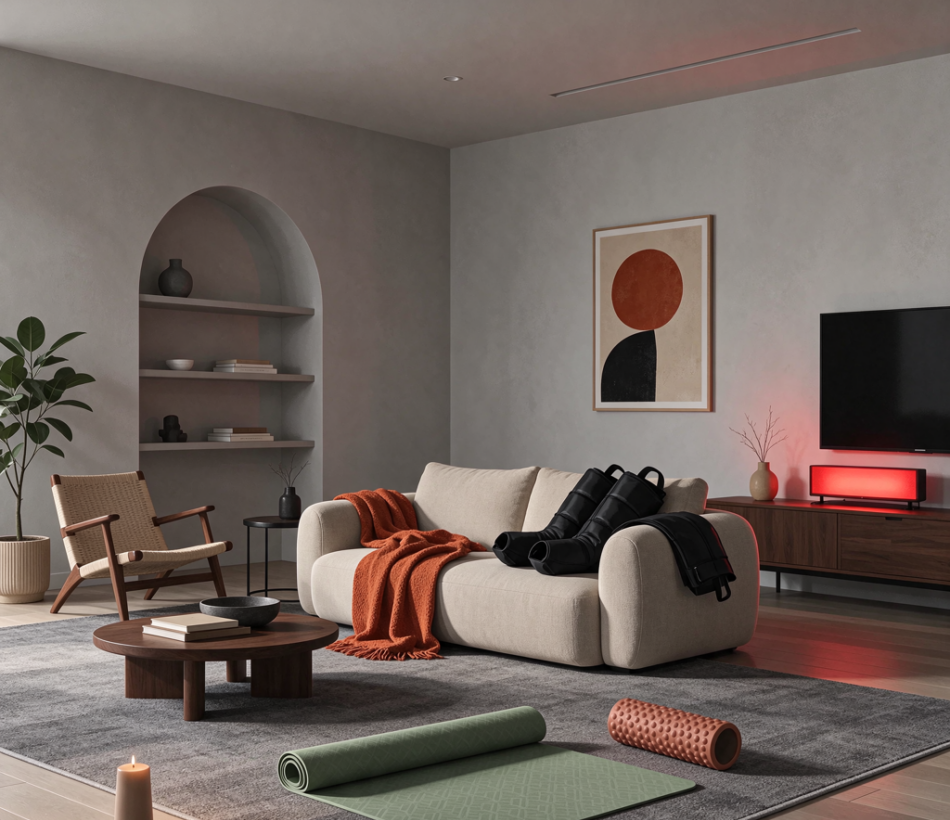
As wellness spending keeps climbing, surveys show consumers value price, quality and effectiveness highest when building their own wellness setup.
We decided to help tier wellness products on the logic, drawing on our knowledge of the field and hands-on experience.
In doing so, a pattern emerged: the products topping our list are lower-tech, affordable options for which marketing didn’t outpace evidence.
At home, where status signaling has no audience, trends should carry less weight than enjoyment of use and well-being.
The selection that follows reflects that.
Building from the base up
Assuming you already live an active life and have access to strength and aerobic equipment, here are the home essential must-haves for serious fitness and wellness enthusiasts. Here, cost is low, evidence is high.
Self-massage and mobility
Any home recovery setup should be supported by a handful of affordable tools: foam rollers, massage balls, elastic bands, and balance boards. Long overlooked, feet also deserve their own toolkit as posture, stability and balanced movement all take root in fit feet. Toe spreaders, textured foot rollers and stretch bands complete your accessible physio clinic - no booking required.
Bedroom control
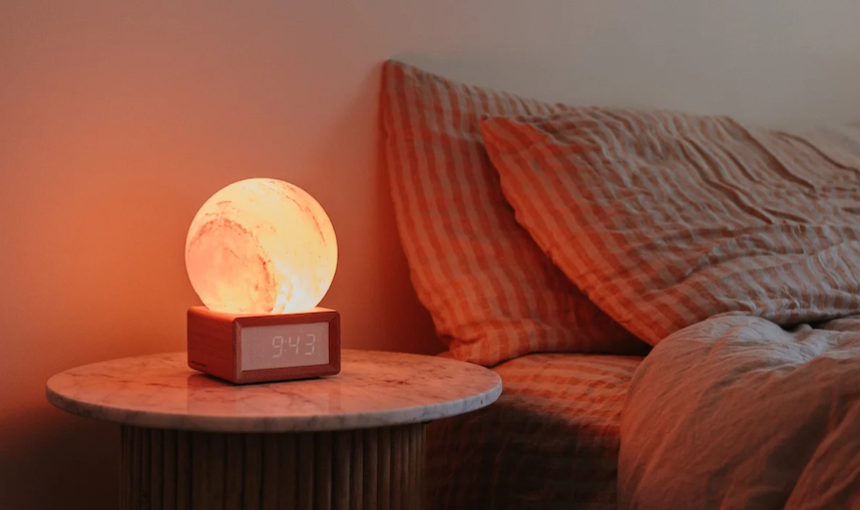
Sleep is one of the most accessible health and performance lever, and lighting and temperature are its two most affordable controls. In the bedroom, a simple circadian lamp and room temperature regulation synchronized to the body’s natural cycles can support quality sleep. At night, warm-toned light prevents circadian clock disruption, while a cooler room mimics the natural drop in core body temperature to help initiate sleep. In the morning, sunlight is the strongest signal for a soft awakening. A slightly warmer room helps the body shift from rest to alertness and a bright lamp is a reasonable substitute when daylight is limited.
Meditation & breathing
Focused attention and controlled breathing are simple stress-reducers that modern life has sidelined. Five to twenty minutes a day offers a moment of reconnection with yourself. Slow breathing in particular shifts the body from sympathetic fight-or-flight mode toward relaxation and can improve markers like heart rate variability. Both can be practiced offline, but a growing number of smart companion apps and devices can refine the techniques we too often take for granted and help solidify a daily habit.
Building on the foundations
Compression
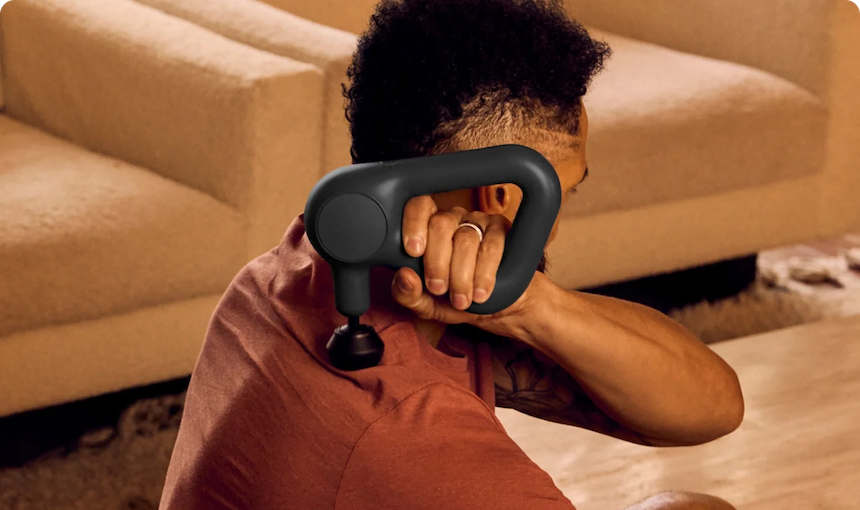
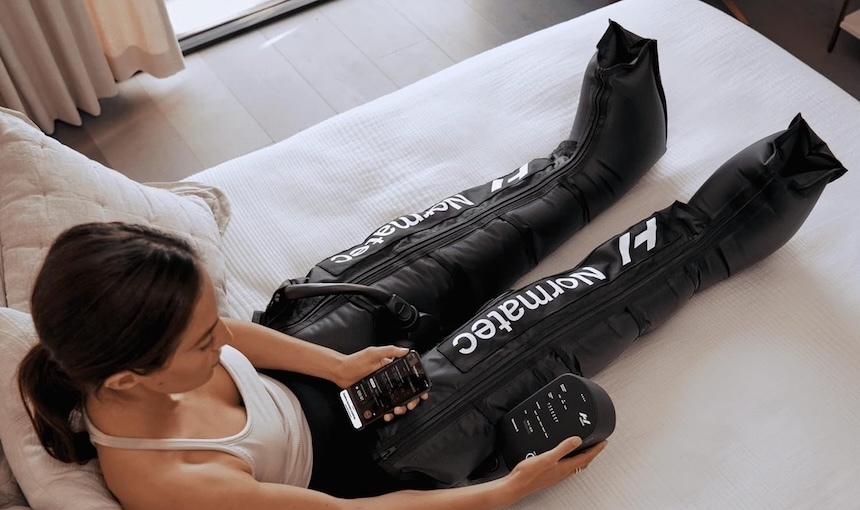
Compression boots and percussive guns are the natural next step after self-massage and mobility tools in a home recovery kit. Even though evidence centers on short-term perceived soreness and range of motion – and less on objective recovery and performance markers, if they increase the likelihood you will train again tomorrow, they’ve earned their spot.
24/7 wearables
The appetite for disconnection and data fatigue are real, yet less intrusive formats such as wristbands and rings still have room to grow. Built for 24/7 wear, they collect longitudinal personal data passively, lowering the risk of fostering obsessive behavior. Used wisely, and with a clear understanding of their limits, they can serve as an early warning system and an objective sounding board against which subjective self-checks can be calibrated.
When population-level evidence is lacking, n-of-1 validation offers a practical way to test which wellness routines work for you.
Premium layer
Here, cost often outpaces evidence of benefit. The following products are worth owning if the appeal of potential marginal gain outweighs the hit to your wellness budget.
Smart sleep
Smart mattresses, pillows and bedding represent the high-end of sleep tech and bedroom comfort. Top-tier systems combine two-zone temperature control synchronized to circadian rhythms, adjustable firmness and built-in sleep tracking features. They are a five-star upgrade to the light- and temperature-controlled bedroom, but evidence for incremental benefit over a well-run sleep routine is limited. Treat the purchase as a bet on convenience and comfort, rather than a proven sleep intervention.
Heat exposure
Regular heat exposure is associated with improved cardiovascular and metabolic health, endurance, sleep quality, relaxation and wellbeing, and potentially cellular repair and neuroprotection. Most of the supporting evidence draws from mechanistic experiments or observational cohorts. Premium in cost and footprint, the sauna format matters less than the habit. Traditional or infrared, wood-fired or electric, dry or humid: sauna’s greatest potential benefits come from regular use and enjoyment.
Red light therapy
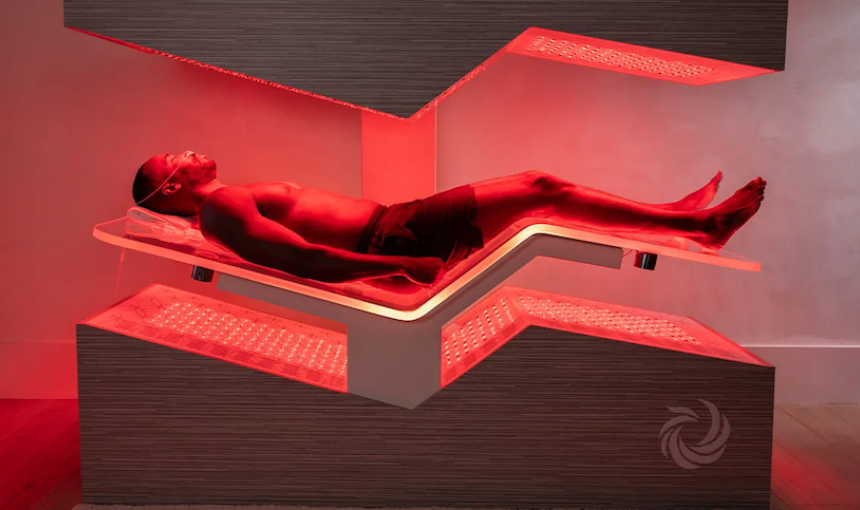
Red and near-infrared light has its strongest evidence in skin health. Panels make great additions to home gyms or bathrooms, while facial masks can be worn during meditation or breathing routines. As for muscle recovery and performance benefits, plausible – as light may influence mitochondrial function, but the evidence is thinner than for skin health. Results also depend on wavelength, exposure distance, duration, and light quality, all of which vary widely between devices.
Red light passes the home test because it complements foundational daily routines. Use it for skin health and treat any recovery benefits as a bonus.
On-demand access
Other wellness modalities that were once reserved for clinics are now available for home use. Some lack demonstrated benefit, others are expensive or cumbersome, and few require daily use. Options include hypoxic chambers and altitude generators, hyperbaric chambers, sound wave pods, PEMF devices, and DXA scans.
For these, a membership access card beats full ownership for occasional use. On-demand access gives you the experience, and the benefits where evidence supports them, without committing to a device that could gather dust if the appeal fades.


